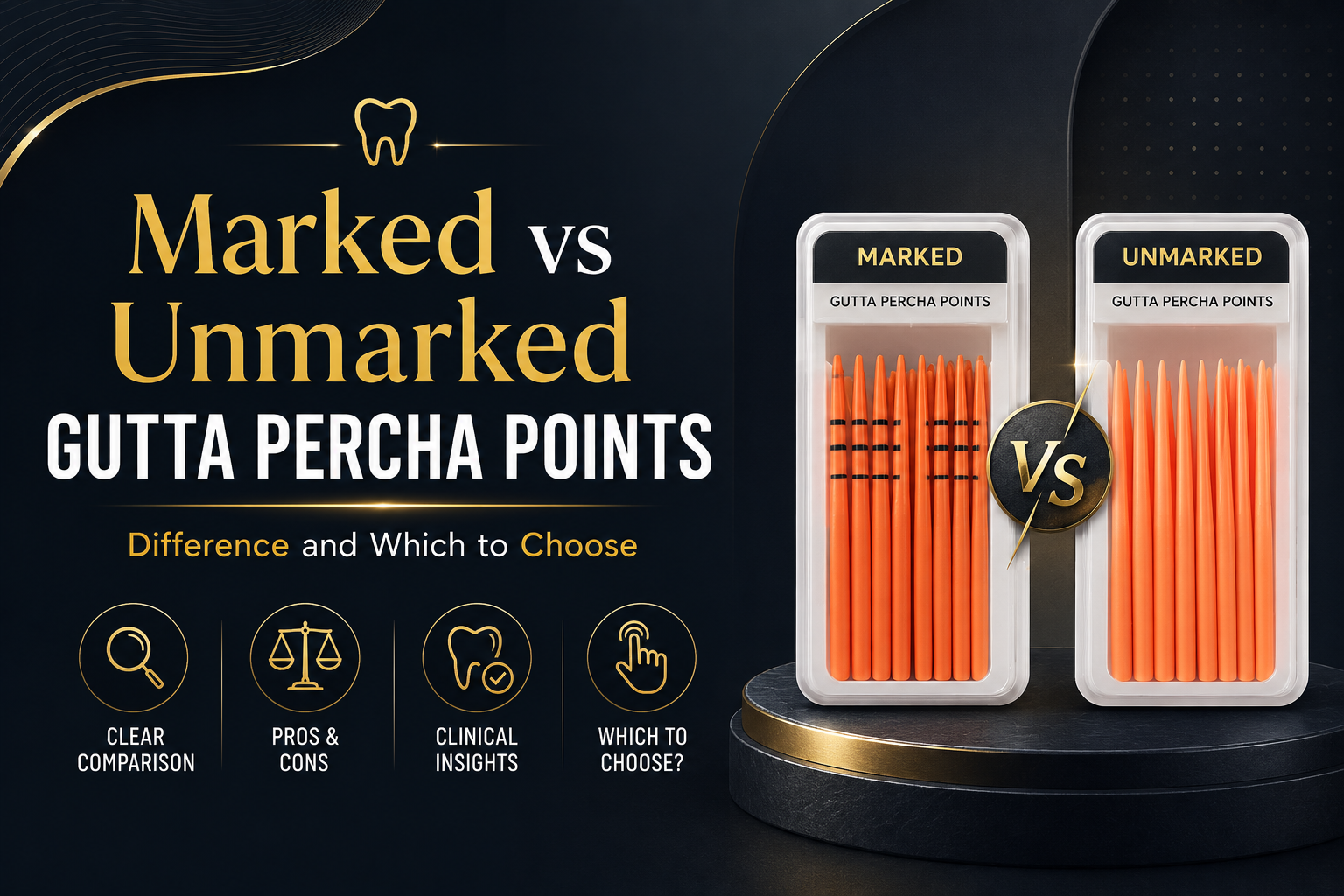
Marked vs Unmarked Gutta Percha Points — What Is the Difference and Which Should You Use?
When ordering Gutta Percha Points, you will often see two variants listed: Marked and Unmarked. For many dentists and dealers, this distinction is not always clear. Does it really matter? Which one is better for clinical practice? And why would you ever choose unmarked over marked?
In this guide, we explain the difference between marked and unmarked Gutta Percha Points, when each is appropriate, and how to make the right choice for your clinical needs and your dealership inventory.
What Are Marked Gutta Percha Points?
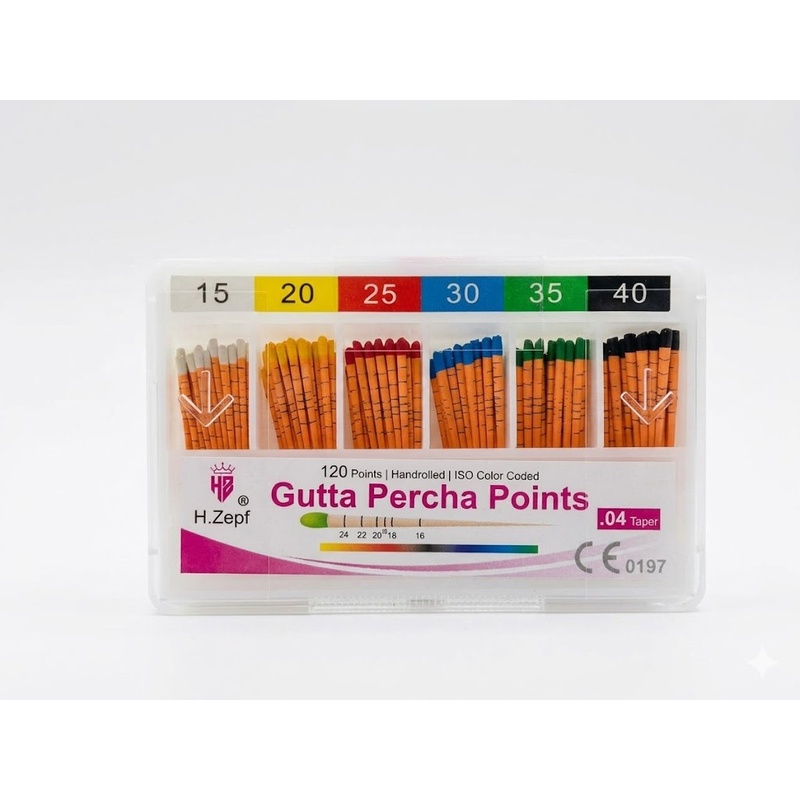
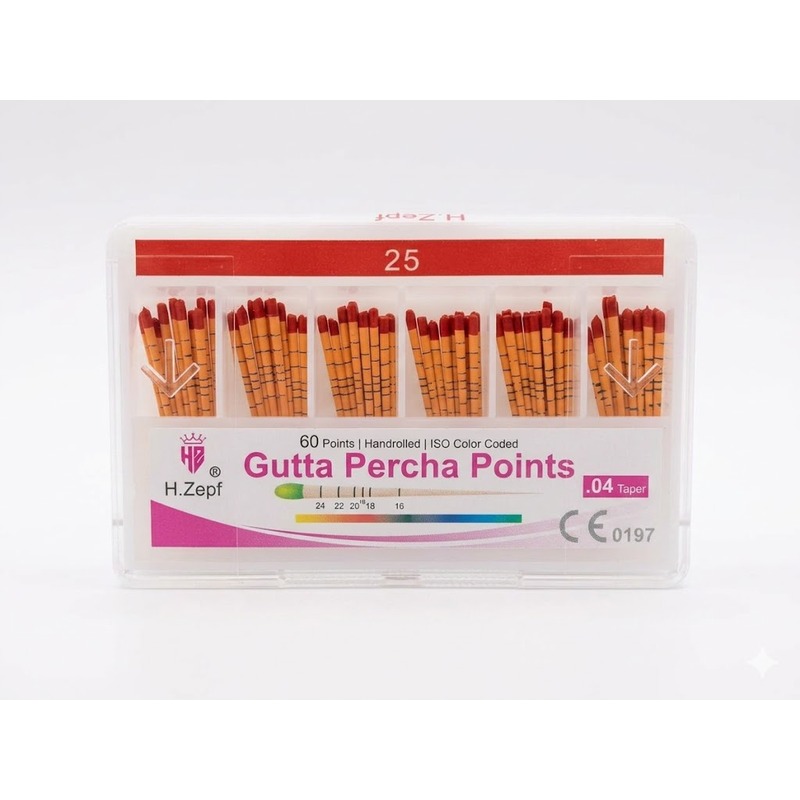
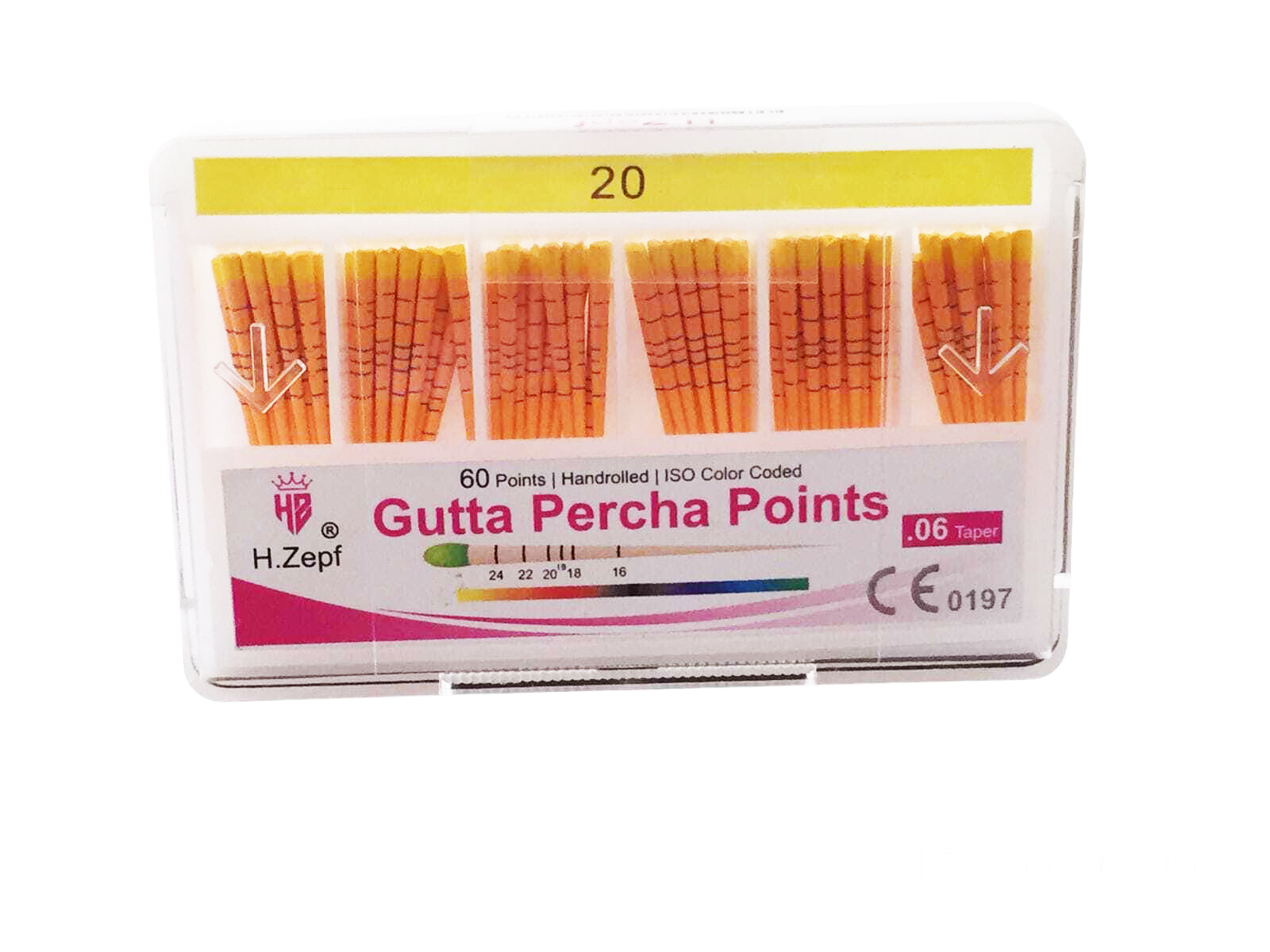
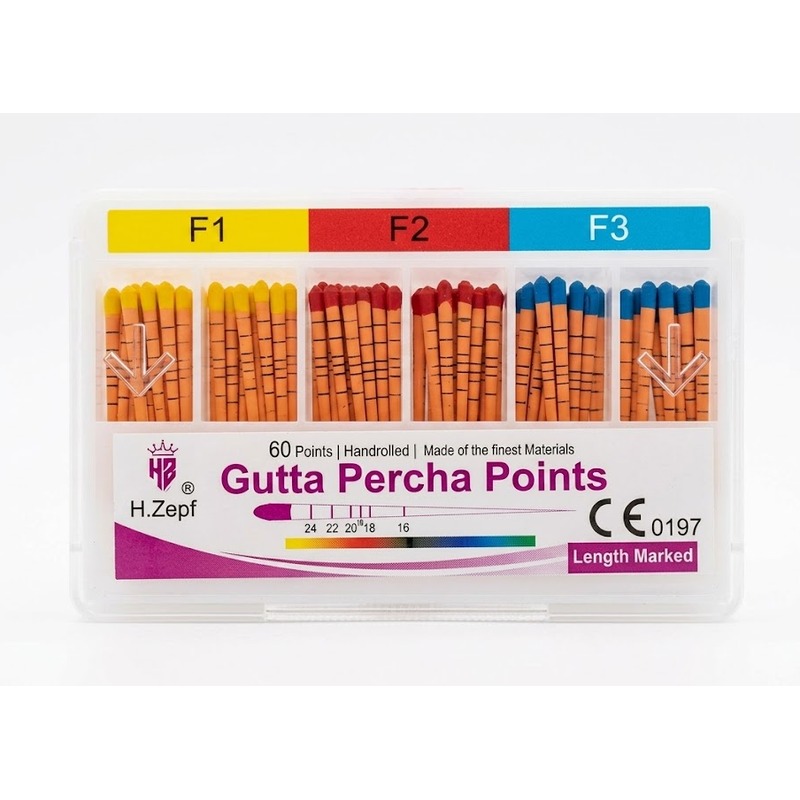
Marked Gutta Percha Points (also called "Length Marked" points) have millimeter calibration markings printed or engraved along the shaft of the cone. These markings are spaced at regular intervals — typically every millimeter or at key reference points — allowing the clinician to visually verify the depth of insertion during obturation.
The markings serve as a visual reference system during root canal obturation, allowing the dentist to confirm that the master cone is at the correct working length before taking a radiograph or finalizing the seal.
What Are Unmarked Gutta Percha Points?
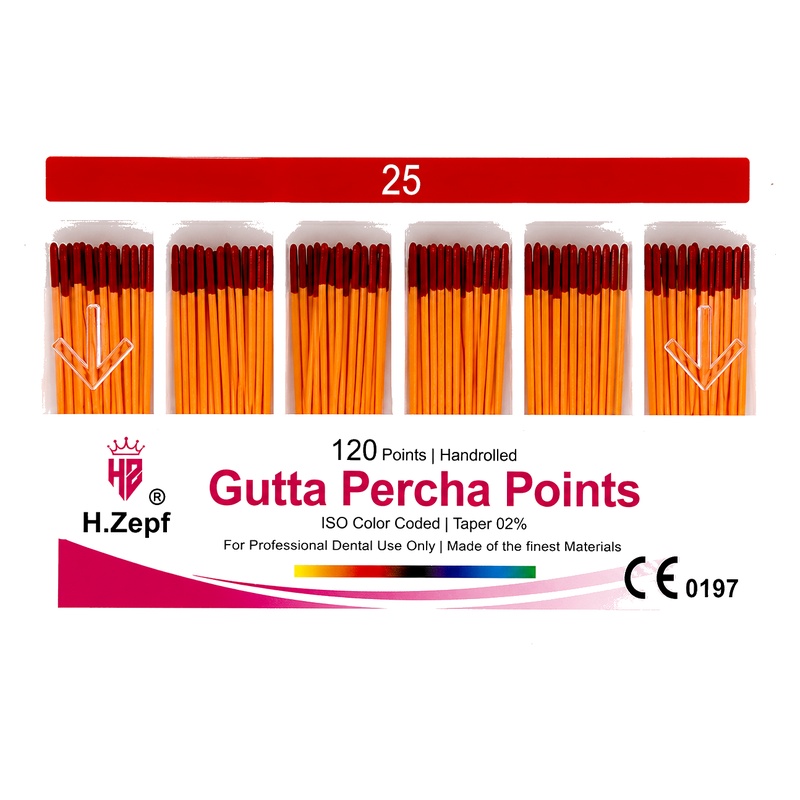
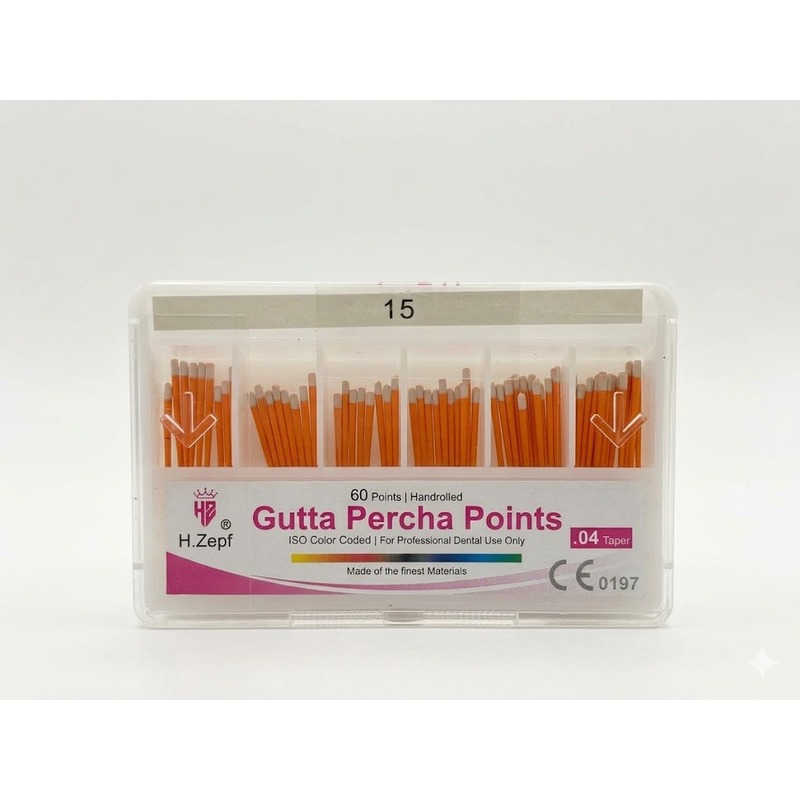
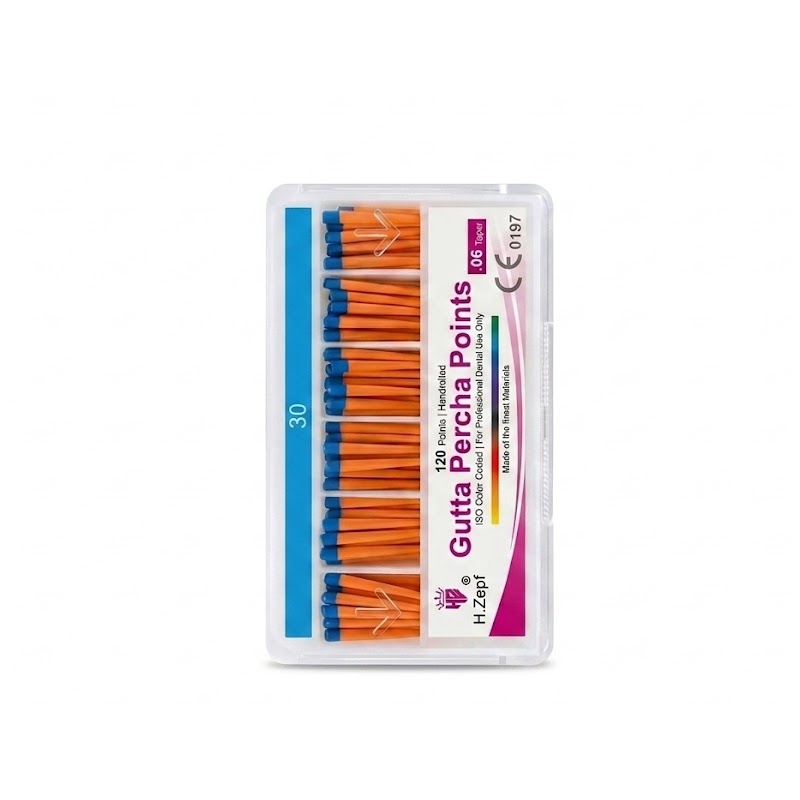
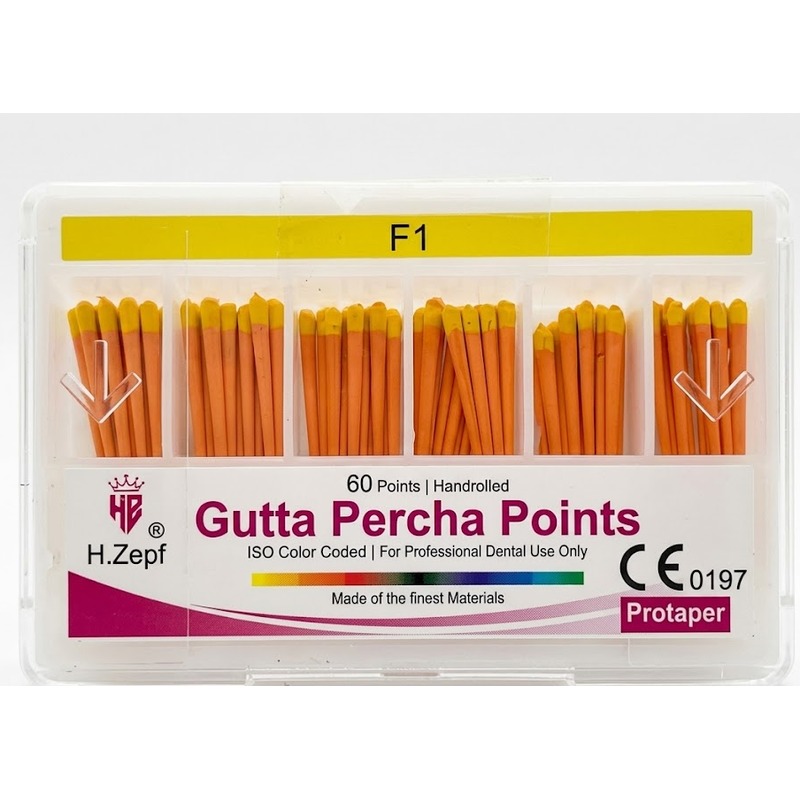
Unmarked Gutta Percha Points have a smooth, plain surface without any calibration markings. They are the original format in which Gutta Percha Points have historically been produced, and they remain widely used in clinical practice worldwide.
Key Differences at a Glance
| Feature | Marked | Unmarked |
|---|---|---|
| Millimeter markings | Yes — printed on shaft | No — plain surface |
| Working length verification | Visual + radiographic | Radiographic only |
| Speed of confirmation | Faster — visual check first | Relies entirely on X-ray |
| Surface texture | May have slight texture at markings | Completely smooth |
| Sealer adhesion | Equivalent | Equivalent |
| Price | Slightly higher | Standard |
| Most common use | Modern rotary practices | Traditional and all techniques |
Advantages of Marked Gutta Percha Points
1. Faster Working Length Verification
Before placing a radiograph, the clinician can visually check whether the master cone appears to be at working length by observing which millimeter marking aligns with the reference point (usually the incisal edge or cusp tip). This provides a quick preliminary check before X-ray confirmation.
2. Reduced Need for Immediate Radiography
In busy clinical environments, being able to do a quick visual check before taking a cone fit radiograph saves time. If the visual check shows the cone is clearly too long or too short, the clinician can adjust without exposing the patient unnecessarily.
3. Helpful for Trainees
For dental students and newly qualified dentists who are still developing their tactile sensitivity, the millimeter markings provide an additional visual cue that builds confidence during the obturation phase.
4. Documentation and Communication
When working with assistants, being able to say "the marking at 21mm is at the reference point" makes communication clearer and reduces the chance of errors during cone placement.
Advantages of Unmarked Gutta Percha Points
1. Completely Smooth Surface
Unmarked points have a perfectly smooth, uniform surface. For some clinicians, this is preferred because it ensures completely predictable sealer coating without any potential variation at marking points.
2. Established Clinical Track Record
Unmarked Gutta Percha Points have been used successfully in endodontics for decades. Experienced clinicians who have developed excellent tactile sensitivity and rely on electronic apex locators and periapical radiographs for working length verification have no need for the additional markings.
3. Lower Cost
Unmarked points are typically slightly less expensive than marked variants, making them attractive for high-volume practices and dealers looking to offer cost-effective options.
4. Simplicity
No markings means no potential confusion about which marking to use as a reference point, particularly in cases where the reference point changes or when working with unusual anatomy.
Which Should You Choose for Your Practice?
The choice between marked and unmarked Gutta Percha Points depends on your clinical workflow, experience level, and personal preference. Here is a simple framework:
Choose Marked if:
- You want a quick visual check before cone fit radiograph
- You work with dental assistants or postgraduate students
- You are a relatively new clinician building your tactile confidence
- You prefer additional checkpoints in your obturation protocol
Choose Unmarked if:
- You are an experienced clinician with well-developed tactile sensitivity
- You rely entirely on electronic apex locators and radiographs for working length
- You prefer a completely smooth surface on your obturation material
- You are looking for a cost-effective option for high-volume practice
Which Should Dealers Stock?
For dental dealers and distributors, the question of which variant to stock is a commercial one. Based on market demand across India:
- Marked points are increasingly popular — particularly in urban clinics, specialist practices, and training institutions
- Unmarked points continue to sell strongly — particularly in semi-urban and rural areas, and among cost-conscious general practitioners
Our recommendation for dealers: stock both variants in the most popular sizes (#25 and #30) across .04 and .06 tapers. This ensures you can serve the full range of your customer base without losing sales to competitors.
The H.Zepf Range — Marked and Unmarked
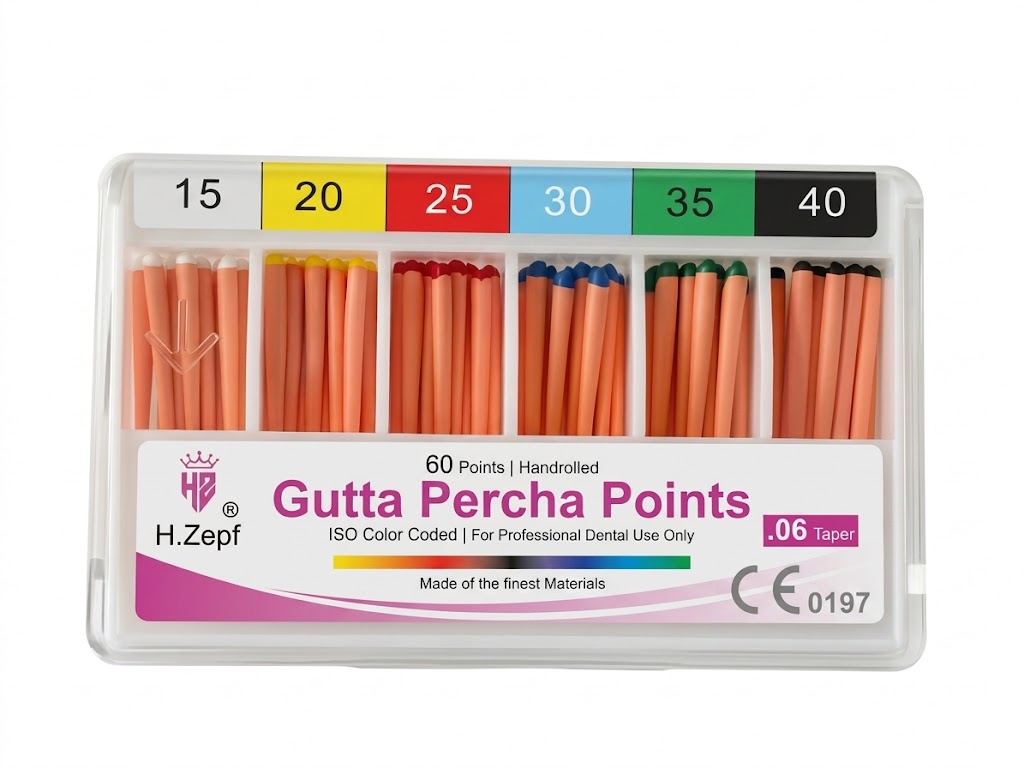
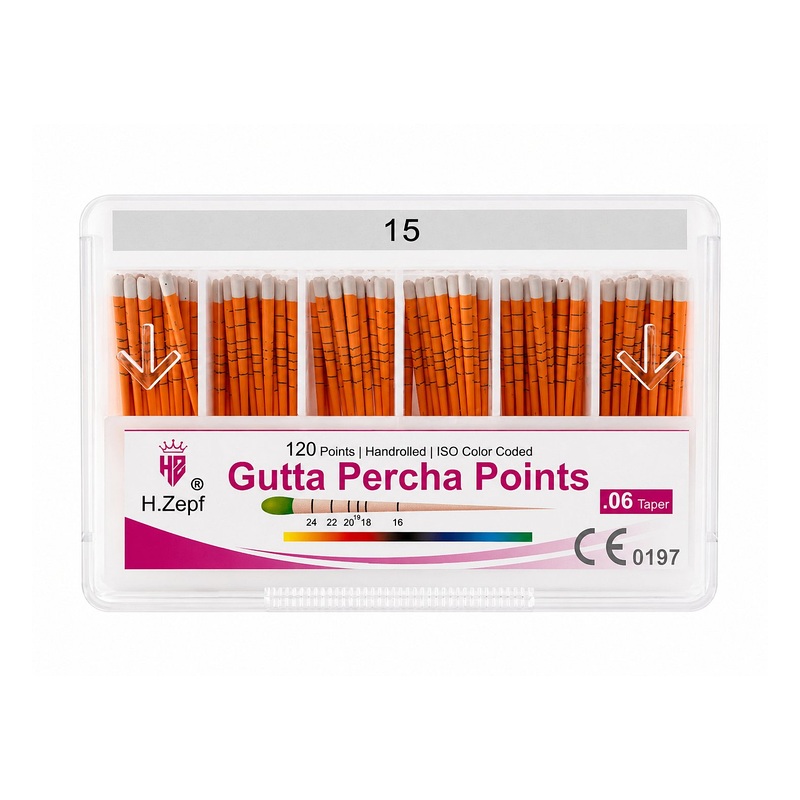
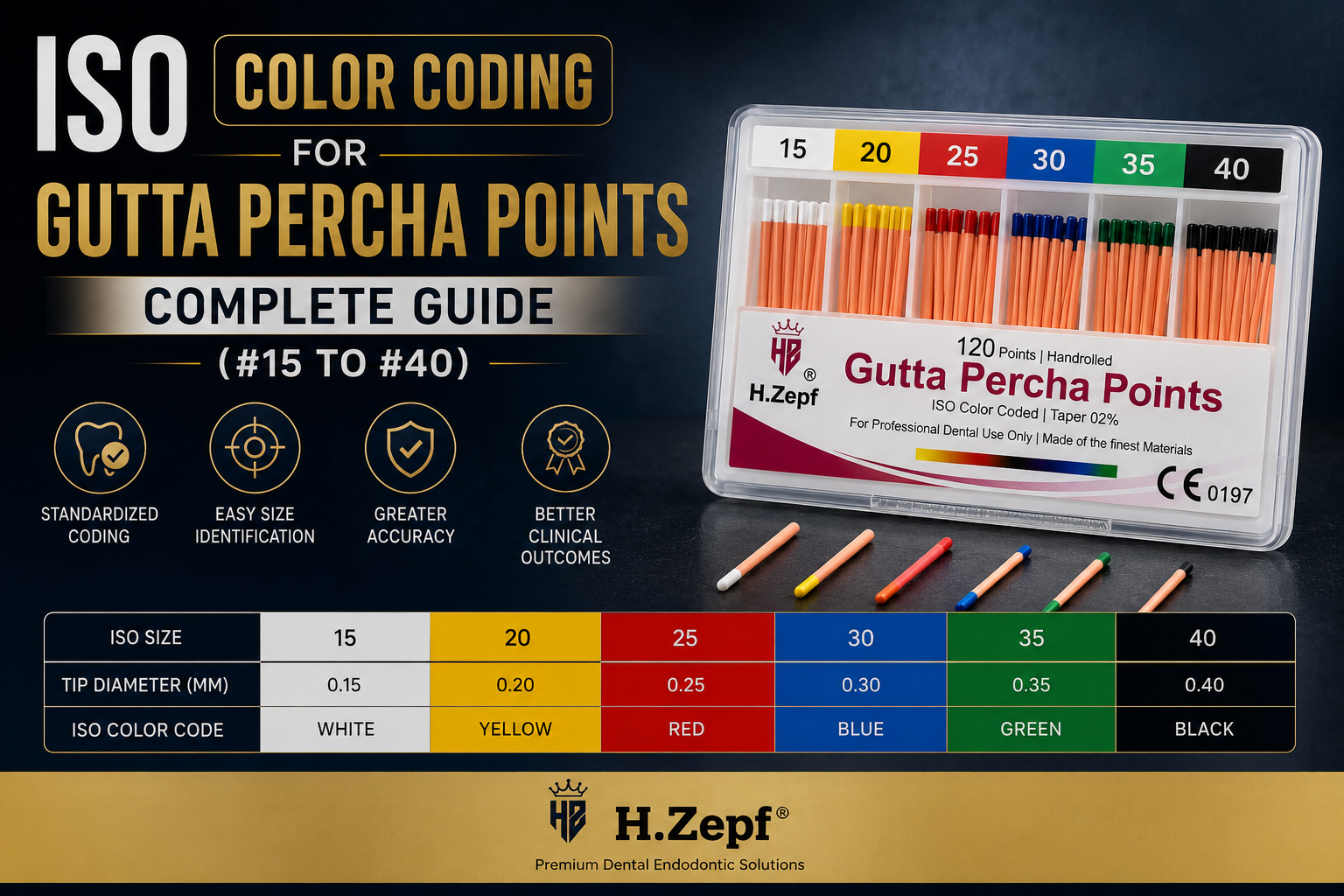
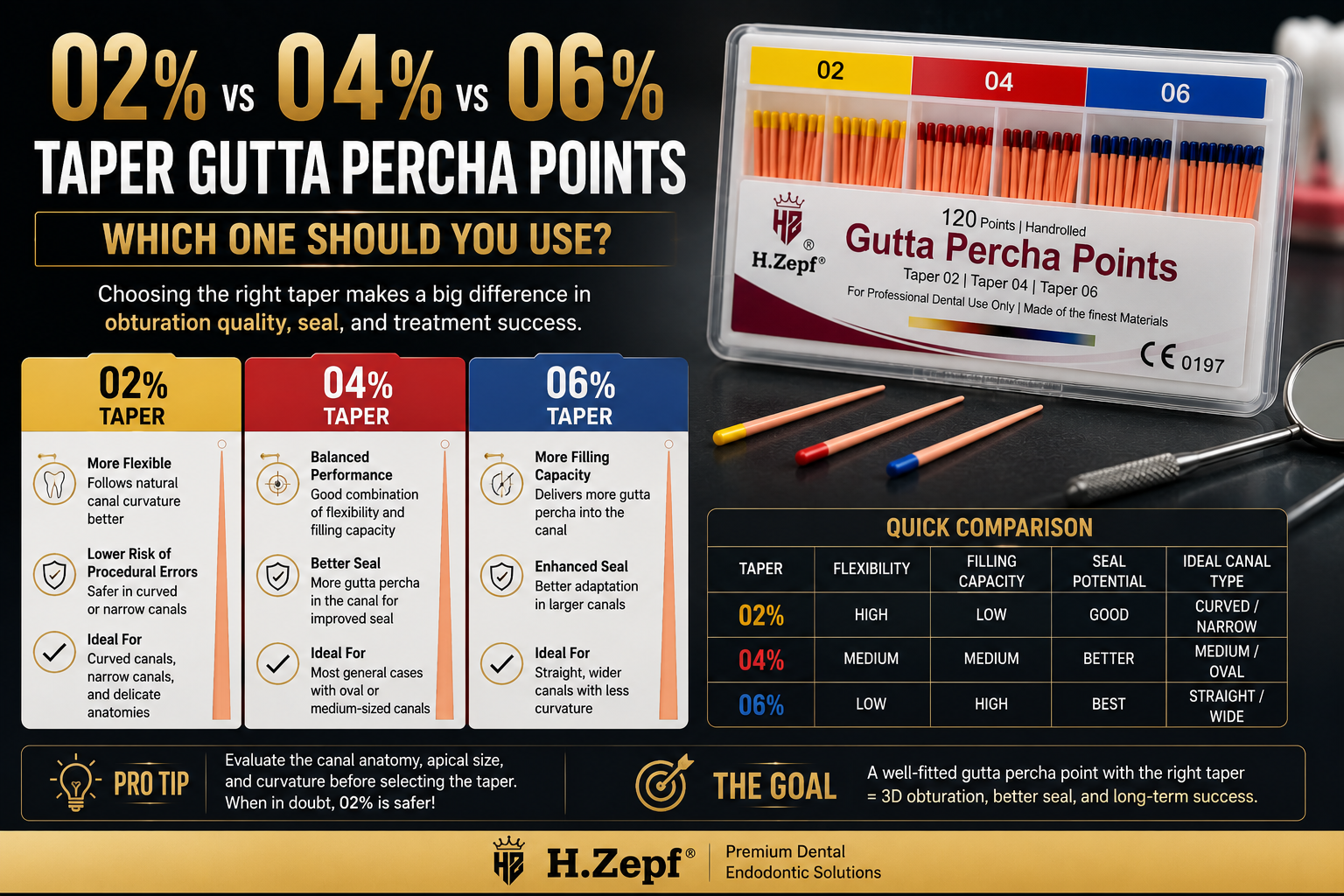
H.Zepf Gutta Percha Points are available in both marked and unmarked variants across all taper sizes (.02, .04, .06) and standard sizes (#15 through #40). Both variants share the same high-quality formulation, ISO color coding, and CE 0197 certification.
Whether you prefer the additional reference points of marked cones or the smooth simplicity of unmarked cones, H.Zepf gives you the choice without compromising on quality.
Explore our full range of Marked and Unmarked Gutta Percha Points, or WhatsApp us to discuss bulk pricing for your dealership.