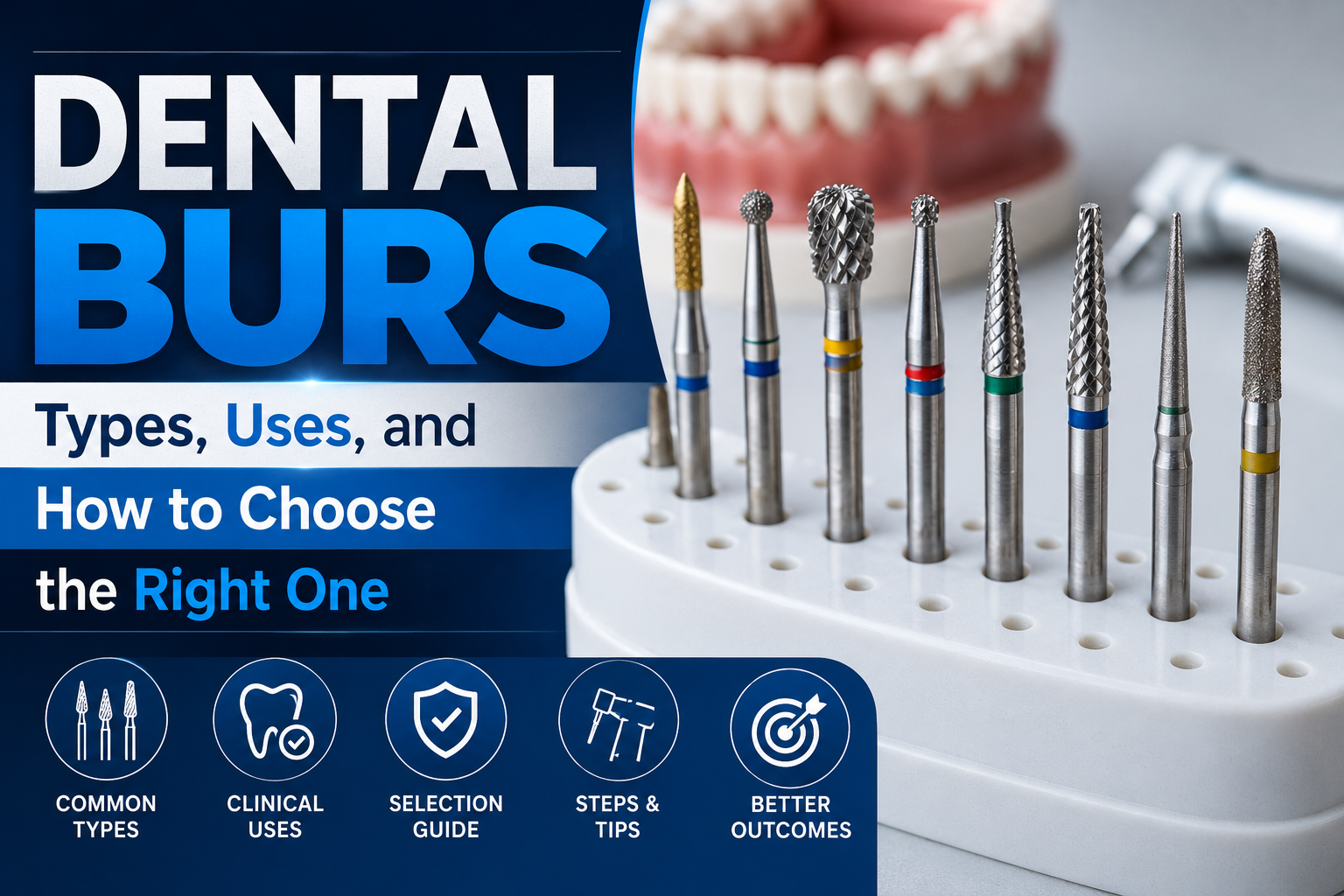
Dental Burs — Types, Uses, and How to Choose the Right One for Your Practice
Walk into any dental operatory and you will find dental burs in every shape, size, and material. These small rotary cutting instruments are among the most frequently used tools in all of dentistry — used for everything from cavity preparation and crown reduction to implant site preparation and bone surgery.
Yet despite their ubiquitous presence, many dental professionals and dealers do not have a comprehensive understanding of the different bur types, their specific applications, and the quality factors that distinguish a good bur from a poor one. This guide covers everything you need to know about dental burs.
What Are Dental Burs?
Dental burs are small rotary cutting instruments that attach to dental handpieces (drills). They consist of a shank that connects to the handpiece, a neck that connects the shank to the head, and a head with cutting surfaces. The head shape, material, and cutting pattern determine what the bur is used for.
Types of Dental Burs by Material
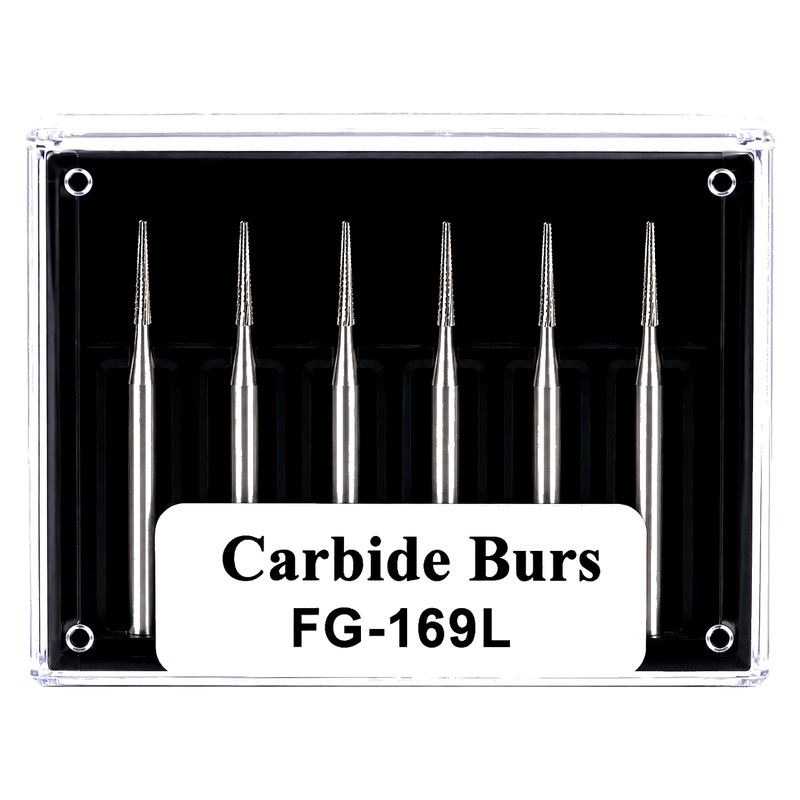
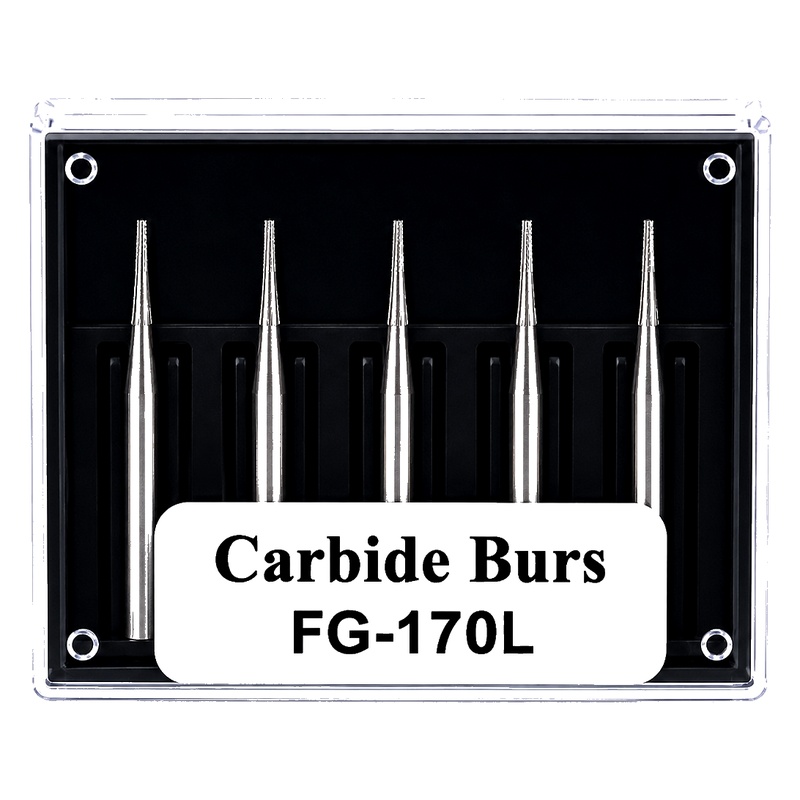
1. Tungsten Carbide Burs
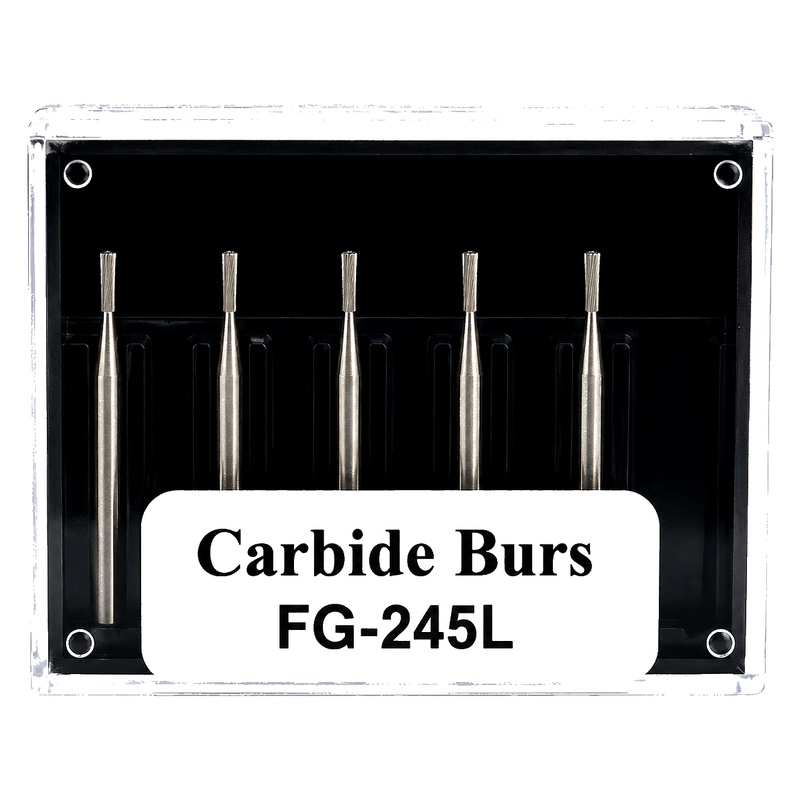
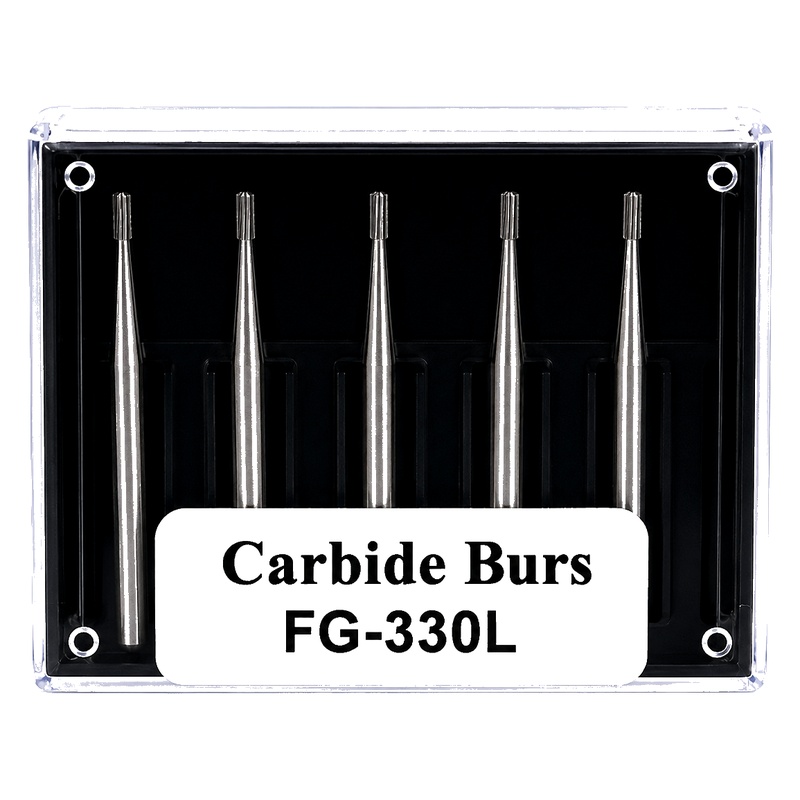
Tungsten carbide (TC) burs are the most widely used burs in general dentistry. They are made from a composite of tungsten and carbon — an extremely hard material that holds a cutting edge far longer than steel.
Advantages:
- Excellent cutting efficiency on tooth structure, amalgam, and composite
- Long-lasting cutting edge — maintain sharpness through multiple uses
- Available in the widest range of shapes and sizes
- Suitable for high-speed and low-speed handpieces
Best used for: Cavity preparation, caries removal, crown preparation, composite and amalgam finishing
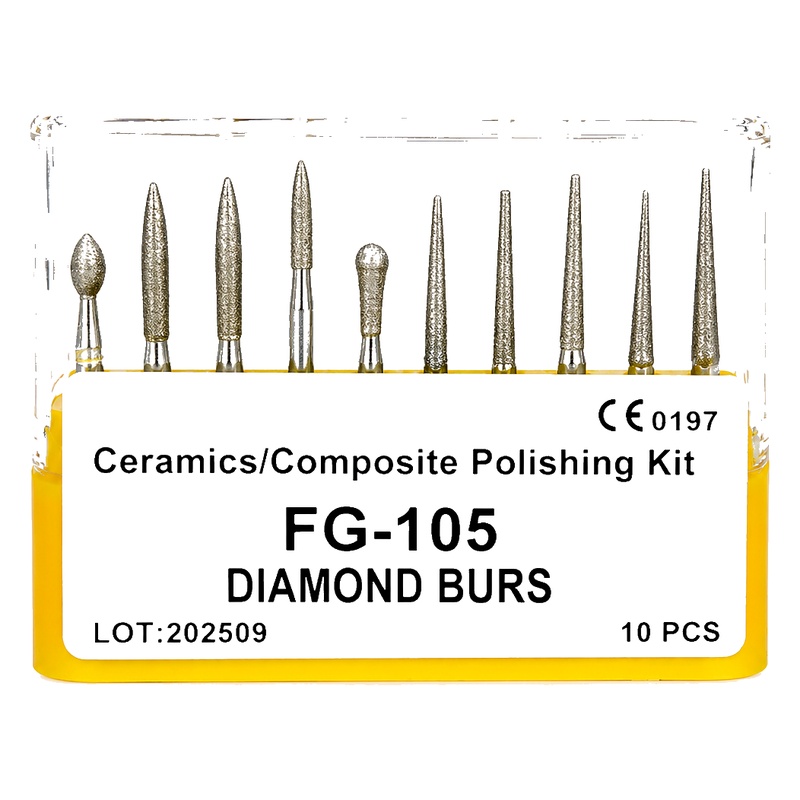
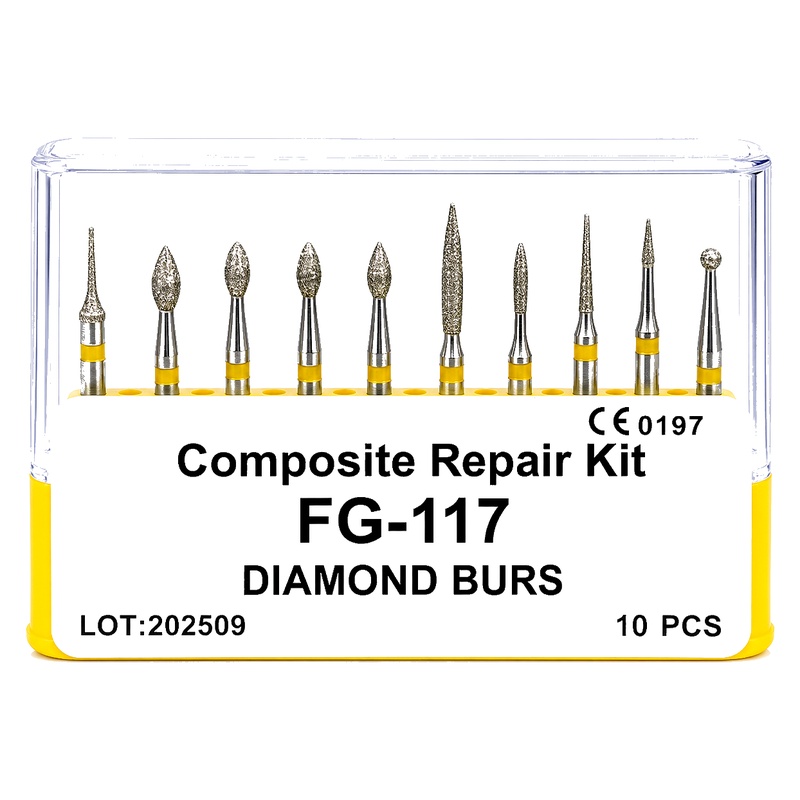
2. Diamond Burs
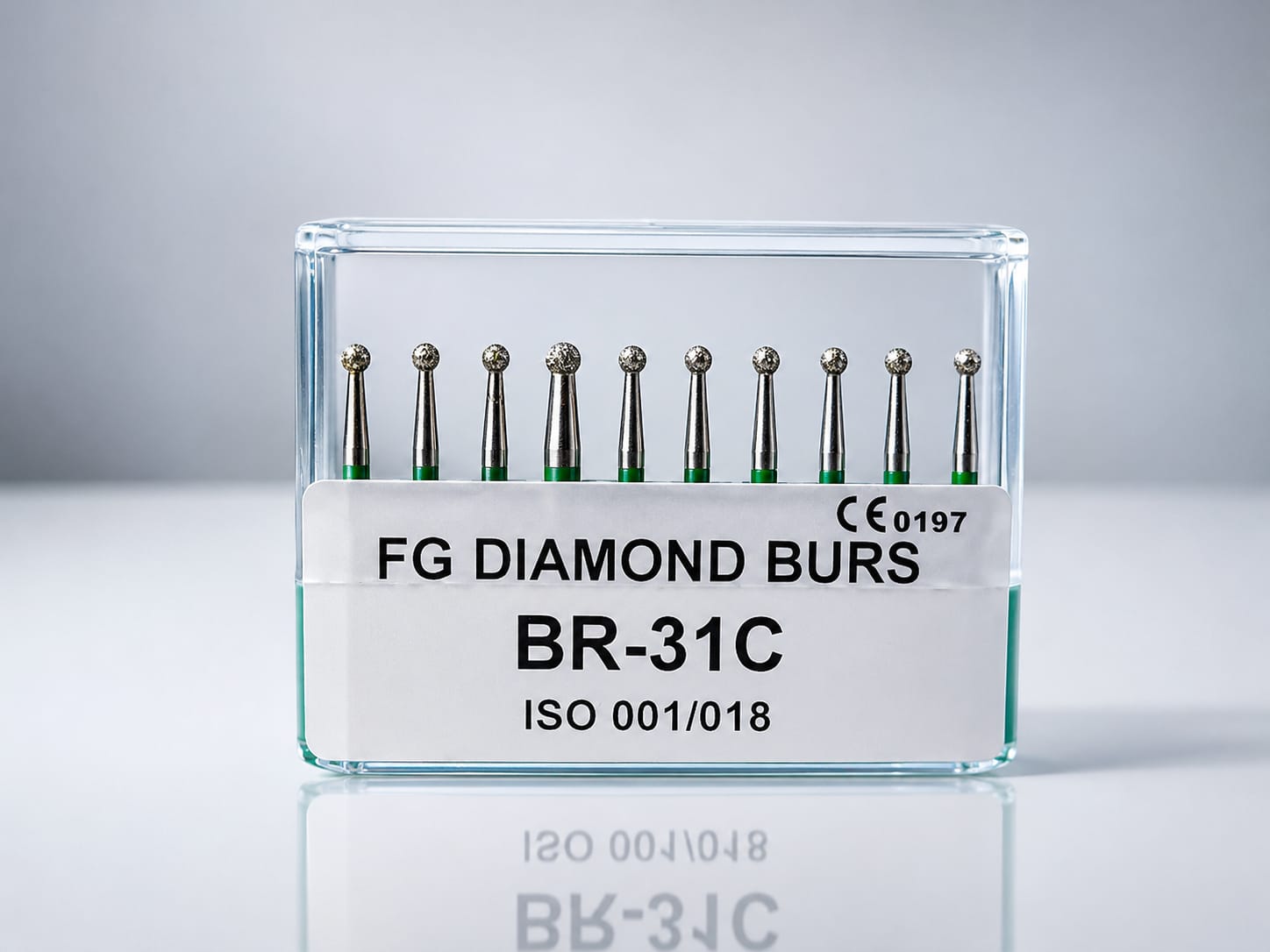
Diamond burs have a metal shank coated with industrial diamond particles bonded to the surface. Diamond is the hardest naturally occurring material, making these burs the most effective for cutting ceramic, porcelain, and enamel.
Advantages:
- Superior cutting efficiency on hard materials (porcelain, zirconia, ceramics)
- Available in multiple grit sizes (coarse, medium, fine, superfine)
- Excellent for crown preparation and ceramic adjustments
Best used for: Crown preparation, ceramic and porcelain adjustments, enameloplasty, implant site preparation
3. Steel Burs
Steel burs are the oldest type of dental bur, now largely replaced by tungsten carbide in most applications. However, they remain useful for specific applications due to their flexibility and lower cost.
Best used for: Low-speed applications, acrylic trimming, temporary crown adjustment
Types of Dental Burs by Shape
The shape of the bur head determines its cutting action and clinical application. Here are the most important bur shapes:
Round Burs
Spherical head shape. Used for initial caries entry, pulp chamber access in endodontics, and creating undercuts in cavity preparation. Available in sizes 1/4, 1/2, 1, 2, 4, 6, and 8.
Pear-Shaped Burs
Rounded pear shape. One of the most versatile burs — used for cavity preparation, establishing cavity walls, and box preparation. Available in multiple sizes.
Fissure Burs (Straight and Tapered)
Cylindrical or tapered shape with flat or rounded end. The workhorse of crown preparation. Used to reduce tooth height and create parallel or slightly tapered walls for crown retention.
- Straight fissure — for flat-topped preparations, box form in amalgam cavities
- Tapered fissure — for crown preparation with draft angle
- Rounded-end fissure — for chamfer margin preparation
Flame Burs
Narrow tapered shape resembling a flame. Excellent for finishing crown margins, interproximal finishing, and accessing tight spaces.
Inverted Cone Burs
Wider at tip than at neck — inverted cone shape. Used for creating undercuts in Class I and Class II cavity preparations for amalgam retention.
Wheel Burs
Disc-shaped head. Used for finishing and polishing procedures.
Types of Dental Burs by Shank
The shank type determines which handpiece the bur can be used with:
| Shank Type | Length | Compatible With |
|---|---|---|
| FG (Friction Grip) | 19mm | High-speed air turbine handpiece |
| RA (Right Angle / Latch) | 22mm | Low-speed contra-angle handpiece |
| HP (Handpiece / Long) | 44mm | Straight low-speed handpiece |
Bur Grit for Diamond Burs
Diamond burs come in different particle sizes (grit), which determines cutting aggressiveness:
| Grit | Color Code | Use |
|---|---|---|
| Super Coarse | Black ring | Rapid reduction, gross tooth removal |
| Coarse | Green ring | Initial crown preparation, aggressive reduction |
| Medium / Standard | No ring / Blue ring | General crown preparation |
| Fine | Red ring | Refining margins, final preparation |
| Superfine / Extra Fine | Yellow ring | Finishing, polishing, surface refinement |
How to Choose the Right Dental Bur
Selecting the right bur depends on three key factors:
1. Procedure Type
- Cavity preparation → tungsten carbide round or pear bur
- Crown preparation → diamond tapered fissure bur
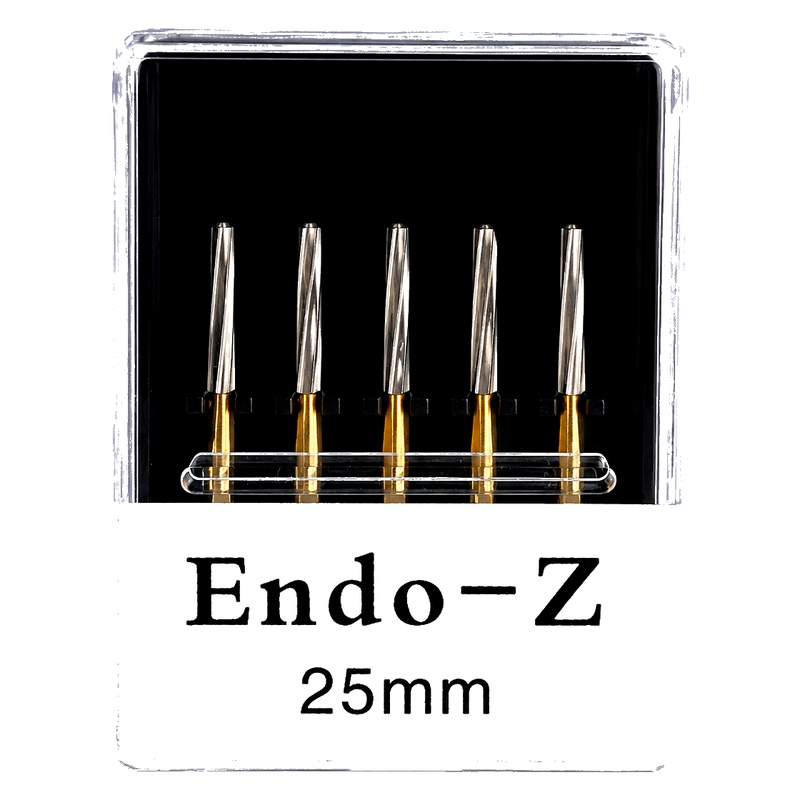
- Endodontic access → tungsten carbide round bur + Endo Z bur
- Ceramic adjustment → fine diamond bur
- Composite finishing → carbide finishing bur or fine diamond
2. Material Being Cut
- Enamel and dentin → carbide or medium diamond
- Porcelain and ceramic → diamond bur
- Amalgam → carbide bur
- Composite → carbide finishing bur
- Metal → carbide or specialized metal-cutting bur
3. Stage of Procedure
- Initial reduction → coarse diamond or carbide
- Refinement → medium diamond
- Margin finishing → fine diamond or finishing carbide
- Polishing → superfine diamond or polishing disc
Quality Factors When Purchasing Dental Burs
Not all dental burs are created equal. Quality differences significantly affect cutting efficiency, longevity, and patient comfort. Look for:
- ISO standards compliance — shanks must meet ISO dimensional standards for proper handpiece fit
- Shank concentricity — a bur that runs true without wobble reduces vibration and improves accuracy
- Diamond bond quality — poor bonding causes diamond loss and rapid wear
- Carbide grain size — finer grain = harder material = longer-lasting cutting edge
- Sterilizability — must withstand autoclave sterilization without corrosion or dimensional change
H.Zepf Dental Burs
H.Zepf offers a comprehensive range of dental burs for general and specialist dental practice — available at competitive wholesale prices for clinics and dealers across India. Our bur range includes tungsten carbide and diamond variants across all common shapes and shank types.
Browse our Dental Burs range, or WhatsApp us for bulk pricing and dealer enquiries.